Can Pressure Cleaning Eliminate Slime from Tropical Walkways?
Walk along a shaded path in Cairns during the wet season and the problem is easy to spot: a slick, green-black film coating concrete, pavers and tiles. In Far North Queensland's humid climate, slime is one of the most common and most hazardous surface issues for homeowners, body corporates and commercial property managers. The short answer is yes, pressure cleaning can eliminate slime from tropical walkways. How long the result lasts depends on how the job is done and what happens afterwards.

What Is the Slime on Your Walkway?
The slippery coating on outdoor surfaces is usually a mix of living organisms rather than simple dirt. Understanding what it is helps explain why a quick rinse with a garden hose rarely works.
- Algae: Green or black-green growth that thrives in moisture and low light. It forms a slippery film that bonds to porous surfaces.
- Mould and mildew: Dark spots or patches, often in shaded areas with poor airflow.
- Lichen and moss: More established growth that anchors itself into surface pores and joints.
- Biofilm and organic debris: Leaf litter, pollen, tannins and soil that feed microbial growth and create a sticky base layer.
Cairns has high humidity year-round, heavy summer rainfall, and warm temperatures that rarely drop low enough to slow biological growth. Dense tropical vegetation also drops organic matter https://pressurecleaningcairns.com.au/contact/ onto paths constantly, giving slime a steady food supply.
How Pressure Cleaning Removes Slime
Pressure cleaning uses a high-flow jet of water to dislodge algae, mould and embedded grime from the surface and out of its pores. When performed correctly, it removes the visible growth and restores traction almost immediately. On concrete, pavers, exposed aggregate, natural stone and many tiles, the difference is usually dramatic.
Pressure Alone Versus Pressure Plus Treatment
Water pressure removes what is on the surface, but algae and mould spores can remain in the pores and joints. This is why walkways that are only blasted often turn green again within weeks. Professional cleaners typically combine pressure with a treatment step:
- Applying a biocide or mould-killing detergent to break down living growth at its roots
- Allowing appropriate dwell time so the treatment can work before rinsing
- Using surface cleaners (rotating flat-head attachments) for even results and fewer streaks on large areas
- Rinsing thoroughly, with attention to joints, edges and drainage points
Sodium hypochlorite-based solutions are commonly used for organic growth on hard surfaces, though the right product depends on the material and surrounding plants. Responsible operators control runoff and protect gardens, which matters in a region close to the Great Barrier Reef catchment and local waterways.
Matching Pressure to the Surface
More pressure is not always better. Excessive force can etch concrete, strip sealers, erode paver joint sand, and damage softer stone or timber decking. Different materials call for different approaches:
- Concrete and exposed aggregate: Tolerates higher pressure, but surface cleaners help avoid stripes and gouges.
- Pavers: Moderate pressure and careful technique to avoid dislodging joint sand, which usually needs topping up afterwards.
- Natural stone and sandstone: Low-pressure or soft washing to prevent surface damage.
- Tiles: Moderate pressure with attention to grout, which can erode if over-blasted.
- Timber boardwalks and decks: Low pressure and working with the grain to avoid fibre damage.
Why Slime Returns Quickly in Cairns
Even a thorough clean cannot change the local climate. In tropical conditions, regrowth can begin within a few weeks to a few months, particularly in shaded, damp or poorly drained spots. Common contributing factors include:
- Overhanging trees and dense planting that block sunlight and keep surfaces damp
- Poor drainage or areas where water pools after rain
- Leaf litter and organic debris left to accumulate
- Irrigation or sprinklers that wet walkways regularly
- Porous, unsealed surfaces that hold moisture
Keeping Walkways Slime-Free Longer
Pressure cleaning is most effective when paired with prevention. Consider these steps after a clean:
- Trim back vegetation to let in more sunlight and airflow, which dries surfaces faster.
- Sweep regularly to remove leaves, flowers and other organic matter before it breaks down.
- Fix drainage and irrigation issues so water does not sit on or spray across paths.
- Apply a quality sealer to suitable surfaces once they are fully dry. Sealing reduces porosity, so growth has less to grip, and makes future cleaning easier. Anti-slip additives can improve safety on smooth surfaces.
- Use a periodic maintenance treatment, such as a mould and algae inhibitor, to slow regrowth between full cleans.
Safety Considerations
Slimy walkways are a genuine slip hazard, particularly for older residents, children and visitors in wet weather. For businesses, strata properties, rental homes and holiday accommodation, unaddressed slippery surfaces can create liability concerns. Regular cleaning is a practical part of managing a safe property.
Pressure cleaning itself also carries risks. Wet surfaces during the job are slippery, high-pressure water can cause serious injury, and chemicals need to be handled and disposed of correctly. If you hire a professional, ask about their insurance, their approach to chemical use and runoff, and how they adjust pressure for different surfaces.

DIY or Professional Cleaning?
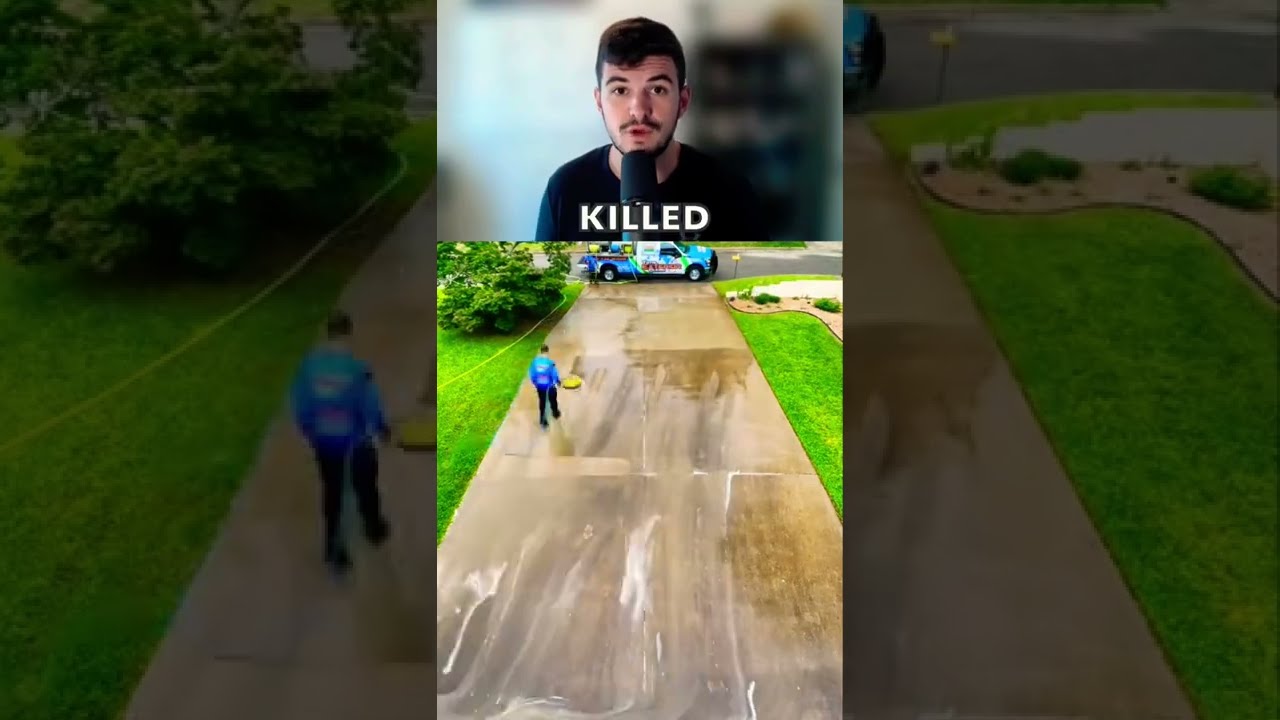
Hiring or buying a pressure washer is an option for small, simple areas. Many hardware stores sell domestic units suitable for light cleaning. However, DIY attempts often result in uneven striping, damaged joints or surfaces, and slime that returns quickly because the underlying growth was not treated.
A professional service typically offers commercial-grade equipment, surface cleaning attachments, suitable treatments and the experience to match methods to materials. This is particularly valuable for large driveways, extensive pathways, delicate stone, and commercial or multi-residential properties.
How Often Should Tropical Walkways Be Cleaned?
In Cairns, many properties benefit from a clean once or twice a year, with shaded or high-traffic areas sometimes needing more frequent attention. Scheduling a clean toward the end of the wet season can help reset surfaces after months of heavy growth, while a follow-up treatment during the following wet season can help keep slime in check. Your ideal schedule depends on shade levels, surface type, drainage and how the area is used.
The Bottom Line
Pressure cleaning can remove slime from tropical walkways and restore safe, attractive surfaces, often in a single visit. For the best and longest-lasting results, use the right pressure for the surface, treat the growth rather than just blasting it, and support the clean with sealing, drainage improvements, vegetation management and regular maintenance. In Cairns' humid climate, slime is a persistent challenge, but with a proper approach it is very manageable.
Expert Pressure Cleaning Cairns
(07) 4058 8889